
The Basics of Windows
How to Speak Window
Windows have their own involved terminology, which you have understand before we can go any further. The frame of the window is the window’s perimeter, and it holds the window together. The sash is the smaller piece that holds the glass inside it and sits inside the window frame itself.
Most windows have two sashes. Some windows have one sash, and a very few windows may have more than two sashes. The pane is the piece of glass inside the sash. Most sashes today are double-paned meaning the frame of the sash supports two panes that are attached to each other for greater insulation.
Until recently the most common window in the United States was a wood framed, single-paned, double-hung window that operated on a simple weighted system. That means the windows had two sashes in them. One above the outer, operating on a simple weighted pulley, and each sash contain a single layer of glass.
Telling one kind of window from another
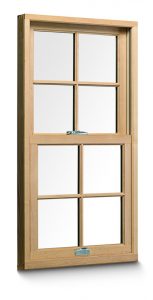 Double-hung windows have two sashes, one above the other as shown on the left. The sashes are installed so that they work on two sets of parallel tracks one set of tracks in front of the outer. Each sash moves up and the other al the way down, the top of the lower sash and the bottom of the upper sash meet and lock and seal, and the window is fully closed.
Double-hung windows are typically the least expense variety of window, even when they are beautiful and well made. If your windows aren’t double-hung, they are most likely casement windows.
A casement window usually has a single sash that opens outward, like the cover of a book, with a crank controlling the pane. You will occasionally run into variants of the casement window where the pane tilts forward or pivots on a central axis, and some casements windows will have multiple planes.
What other kinds of window are there?
Some less typical window types include:
Awning windows: a variant of casement window with a sash that is hinged at the top and swings outward.
Hopper windows: are hinged at the bottom and swing inward.
Sliding windows: like double-hung windows, except the two panes slide horizontally across each other, rather than up and down.
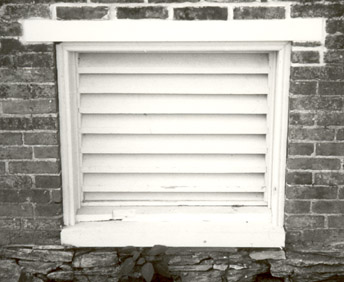
Jalousie windows: very useful in hot rainy places. They have multiple rows of narrow, horizontal glass panes that open and close like a Venetian blind on a crank as shown below.
What are windows made of?
The standard-issue window today is made of hollow aluminum. It’s durable. It’s easy to insulate. It looks good and is without doubt one of the least expensive materials out here.
Even cheaper than aluminum is vinyl. Which does the job beautifully as well but may not be the look every homeowner wants. Homeowners who want a more upscale or traditional look or a landmarked house that require it, will use wooden windows. Wooden windows are more expensive, heavier, harder to maintain, and typically custom made, but they look great, and some homeowners just have to have them.
The decision is up the you, but to be honest with yourself. Even if you can afford them and can pay other people to keep them in working order, are you really interested in having to think about your wooden windows each year? If not, go with aluminum.
Special thanks to Stephen Fanuka & Edward Lewine for their help with these tips.

Alan Soucy administrator
About the author