
The Ins and Outs of Cleaning Gutters
Preventing Ice Dams in your Gutters
We’ve said it before, but it bears repeating: please make sure your roof is properly ventilated and insulated. This is the best thing you can do to prevent ice dams. But even a perfect roof may form ice dams, especially in places that get really cold during the winter and where debris falls into the gutters.
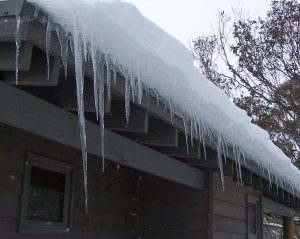
Another layer of defense against this problem is something called heating tape. Heating tape is an insulated wire that runs along your gutters and when plugged in, it will heat up and prevent too much ice and snow from forming.
Heating tape is made by various manufacturers, but generally it is designed to turn on when the temperature falls below a certain point. The tape is insulated in loops that run the entire length of your gutter and up along the overhang of your roof.
Installation instructions are different for each brand, so follow them, but essentially you’ll be stapling the tape along the roof and running the cord down to an electrical outlet. Heating tap usually works best when it is replaced every season.
Keeping your gutters clean without doing it yourself
You can pay a company to clean them foe you. That really isn’t a bad idea, especially since gutter cleaning involves ladders, and we’re already been through how dangerous they can be. Consider entering into cleaning and maintenance contract with the company that installed your gutter, which can be a big help if the gutters being to break over time.
The other thing to do is have a contractor install a gutter cover. There come in a variety of styles , but essentially it’s a grated lid that goes over the gutters, allowing water to flow easily into the gutter but preventing leaves, animals, branches, and other bits and pieces from falling in there as well.
Gutter cover are a great thing—a must, really if you live on a property that’s full of tress—but they are not a cure-all. Even a property covered gutter will still need to be cleaned every year. The cleaning, however, should be much easier that if you had not installed the covers at all.
How and when should I clean my gutters?
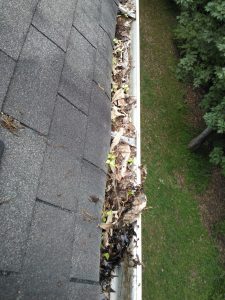 Obviously, you should clean you gutters. This ought to be done twice a year, in spring and in autumn. The right ladder for this job, if you have one high enough, is a good A-frame, because a leaning ladder might do some damage to certain kinds of gutters. Wear safety gloved, as there may be all sorts of sharp bits and pieces in the gutters.
Working your way around the gutter, use a trowel or other tool to scope out the gutter, and carry a solid garbage bag to dispose of what you find. Then bring a garden hose up and inundate the gutters with water. At the bottom of the gutter system, around the foundation of your house, you’ll find a few drainpipes, which drain the gutter out into your garden and way from your house.
These also need to be cleaned out now and then, and the best tool for the is is a plumber’s auger, or snake, which is a long tightly wound metal cable with a crank at the end. Essentially, you crank it up into the drain and then pull it out, pulling whatever was up there with it.
Trick of the trade: cleaning gutters is a surprisingly messy job, so wear old clothes and be prepared for some ugly streaky dirt stains on your exterior walls until the next rain.

Alan Soucy administrator
About the author