
Upkeep of Roofs
Why do I need proper roof ventilation?
Trust us, roof ventilation is a huge issue and one that is often overlooked by home owners. One of the biggest factors in the health and longevity of you roof is whether it is properly ventilated.
Proper ventilation will reduce temperatures extremes and moisture in your 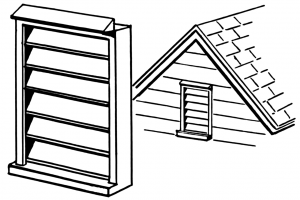 attic, and this In turn will prevent a variety of ills, including condensation in the attic that will rust nails, screws, and metal roofing; frost forming inside the attic and causing wood or rot; and ice forming on the outside of he roof and driving up under the shingles, where it melt and causes leaks, mold, and mildew. Just as important, a properly ventilated roof can cool your house by many degrees all summer long and reduce your energy bills.
There are all sorts of roof vents, but a good system will have:
- Intake vents, which are situated at the bottom of the roof, often under the eaves, and which allow air to flow into the attic.
- Exhaust vents, which sit at the tap of the roof and allow air to flow out.
If you’re not sure how well your roof is ventilated, ask a roofing contractor to come in and do an inspection. If he thinking you need more ventilation, consider hiring someone to do this. It is theoretically possible for a homeowner to install roof venting, but the job is complex, because it requires knowledge of just hoe much venting you need.
Trick of the trade: Remember that you can actually have too much venting. An overvented roof will function just as a poorly as an undervented one. Having too much ventilation can reduce the proper exchange of air that venting relies on and can bring too much either inside your roof.
Roofs: The Dark Side
Every once in a while, perhaps twice a year, you should take a few minutes to eyeball your roof from the street. Use a pair of binoculars. If you see a shingle or two loose or missing, you’ll need to make repairs.
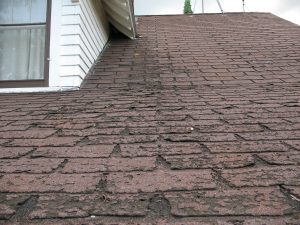 However, the most common way people realize there’s something funky happening on their roof is the appearance of water. You’ll see water in the attic, or water stains on your walls or on the ceiling. Chances are this water has come from somewhere on your roof, although there could be other culprits, lake window frames.
If you do find water or the evidence of it, don’t assume the problem stems from directly above the spot. Hen water leaks in , it will flow with gravity down the path of least resistance. That means a leak can occur on your roof on the lower floor in the front of our house.
So to avoid that diagnosis problem here’s a bit of advice. Every few months, on a day when you have a good, strong downpour, take a trip p to the attic and just scan it for water staining or dripping. You may end up finding a small problem, but if you don’t nip, it can turn into a big problem fast. Either way, if you see some loose or missing shingles. Or some water in the attic, you’ll have to make a roof repair.
Special thanks to Stephen Fanuka & Edward Lewine for their help with these tips.

Alan Soucy administrator
About the author